Hot composting is the fast way to turn kitchen and garden waste into rich, crumbly compost—by helping nature do what it already does, just at a warmer temperature.
When it's working well, hot composting typically runs around 40–60°C and can produce usable compost in roughly 30–90 days (depending on your setup, the season, and what you're putting in).
This guide keeps things friendly and practical. No heavy science. Just the stuff that actually helps your compost get hot, stay sweet-smelling, and finish faster.
Want a quick explanation first? Here's my shorter post: What is hot composting?
If you do only five things, do these:
Download my free Hot Composting E-Guide.
Composting is simply microbes and tiny creatures breaking down organic matter. Hot composting happens when you manage the mix so those microbes generate enough heat to run at their best.
The heat is helpful because it speeds things up and helps tackle things like weed seeds and unwanted pathogens.
Hot composting is still composting. It's not "set and forget". You'll get the best results if you:
Hot composting works best when you get these right:
You need a mix of nitrogen-rich materials (greens) and carbon-rich materials (browns).
See Blog post - Balancing your green and brown waste in your compost
Hot composting is aerobic. The microbes need oxygen. When the mix compacts and loses air pockets, the composting rate slows and can start to smell.
See Blog post - The Power of Air
Aim for the feel of a wrung-out sponge:
Composting happens on surfaces. Smaller pieces = more surface area = faster breakdown.
See Blog post - Why Smaller Kitchen Scraps Mean Speedier Decomposition
You'll see lots of ratios online. In real life, the best approach is: balance based on how it looks and smells.
If you want a simple reference, here's my guide: Balancing your green and brown waste in your compost
Store a bag or box of dry browns next to your composter (shredded cardboard/paper is perfect). Then every time you add a caddy of food waste, you can balance it immediately.
It's the single best habit for avoiding sogginess and smells.
You can hot compost in two main ways.
A heap can get very hot if it's:
Turning is the primary "tool" with a heap. If the temperature drops, a good turn often perks it up.
Best for: bigger gardens, lots of garden waste, people happy to turn.
Insulated composters are designed to retain heat and maintain ideal conditions. Different models do this in various ways, but the goal is the same: warm, airy, damp compost.
Best for: smaller gardens, year‑round composting, lots of kitchen waste, and anyone who wants a neat system.
If you want to browse what's available, here are the hot composters I stock: Hot composters in the shop
If you'd rather use a purpose-built bin that keeps heat in and makes the process easier, these three are some of the most popular "proper" hot composters in the UK.
They all aim for the same thing—warm, airy, damp compost—but they get there in slightly different ways.
HOTBIN is a fully insulated, self-contained hot composter designed to run at hot‑composting temperatures using the heat created by aerobic bacteria—no power needed.
Why do people choose it
Popular options (with links)
Top tip: feed little and often (every 2–3 days) and keep a stash of shredded cardboard/paper next to the bin to balance moisture as you go.
Want more detail? The HOTBIN hot composter.
Useful Links:
Product Video:
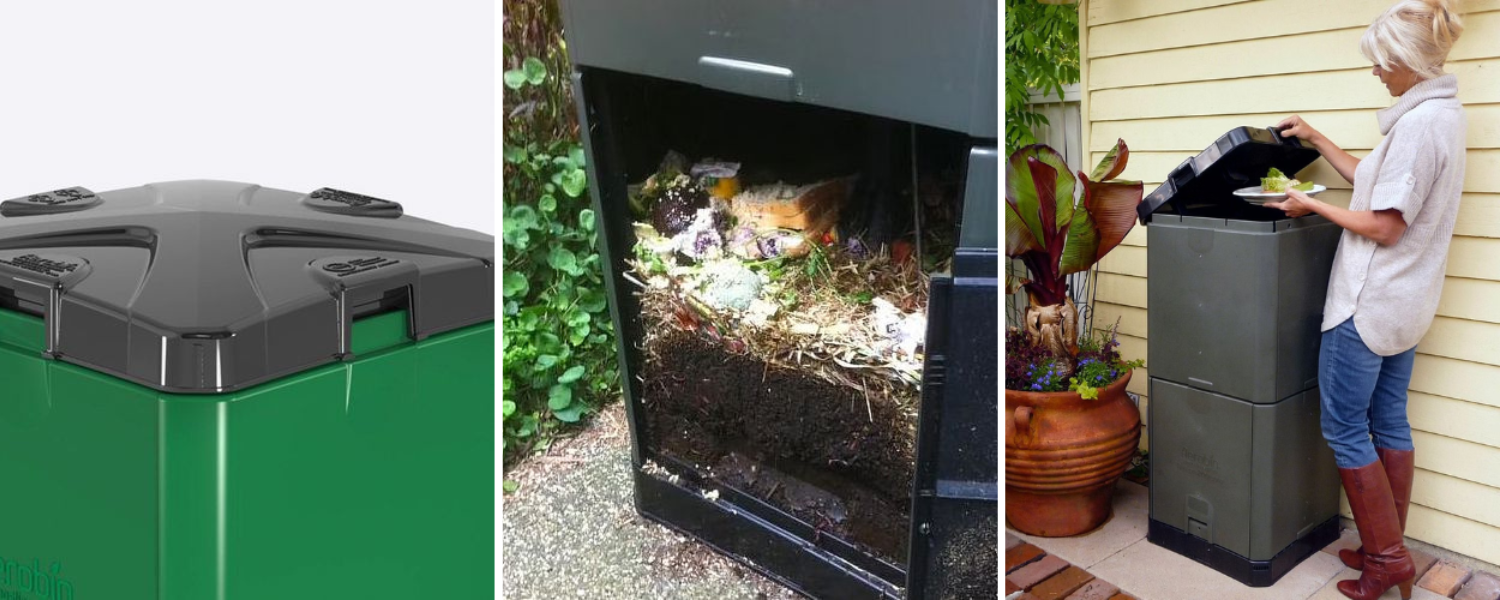
Aerobin is designed to be low effort. It uses an internal aeration lung to keep air moving through the centre of the composting mass, so there's little need to turn (though an occasional mix never hurts).
Why do people choose it
Shop the Aerobin sizes
Want the full Aerobin explainer? Aerobin composting.
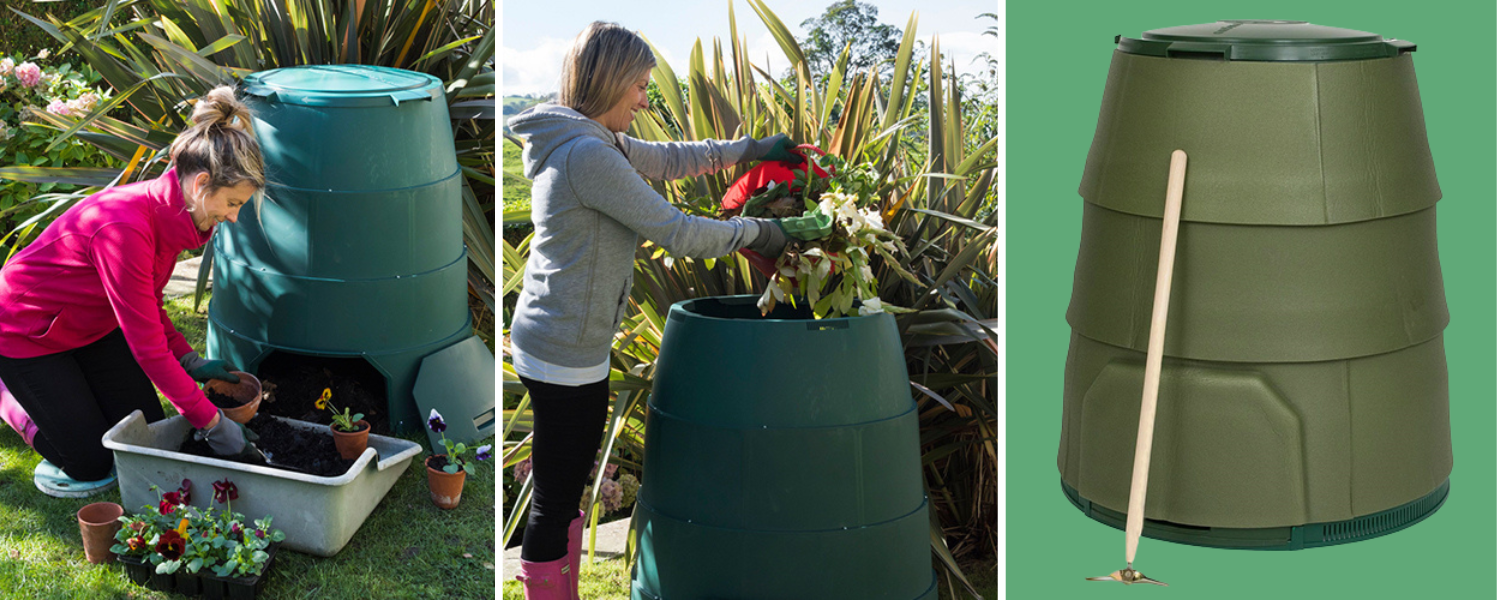
Green Johanna is a roomy hot composter designed to compost food waste and garden waste together in a ventilated, aerobic environment.
Why do people choose it
Product links
Want more detail? The Green Johanna 330L hot composter
If you're building a heap, your goal is volume, airflow, and dampness.
Feeding strategy: heaps work best in "batch mode" (build a decent pile, let it cook), rather than tiny daily additions.
Hot composters shine when you get into a simple routine.
Don't start with food waste alone. Include browns and something bulky to allow air to move through the mix.
A properly closed lid helps:
Wipe the rim occasionally so the lid seals properly.
Cooling happens. Usually, the fix is one of these:
Make one change, then recheck after a day or two.
If you want a no-faff approach, try this:
Then adjust based on feel:
This depends on your method and your setup.
If you want a simple, "it depends" answer for different composting methods, use: What can I compost?
It's usually best to avoid large amounts of:
These can smell and attract pests.
Some hot composters are designed to handle a wider range of food waste (even cooked food). Still, moderation and good balance matter.
Tip: whatever you compost, always bury fresh food waste inside the mix and add browns on top.
Shredded paper and torn cardboard are brilliant browns. Avoid glossy magazines and heavily coated card.
Most common causes:
Fix: add a balanced load, add chunky browns for airflow, and keep the lid closed.
That usually means the mix has gone short on oxygen.
Fix: add shredded cardboard/paper and chunky browns. Stir/aerate if you can.
Usually, there are too many greens.
Fix: add more browns (cardboard, paper, leaves, straw).
Often caused by exposed food waste.
Fix: Bury food waste inside the mix and cover with browns. Keep the lid shut.
If this is a recurring pain, this one might help: Eradicate fruit flies in compost.
Neatness and balance help.
Finished compost is usually:
If it's still warm and active, it may simply need more time (or a short "rest" period) before use.
A few simple wins:
Many hot systems aim for a core temperature of roughly 40–60 °C.
In good conditions, hot composting can produce compost in 30–90 days. Weather, feeding patterns and the mix all make a difference.
Usually not. A good balance of greens, browns, air and moisture is what really makes the difference.
If you tell me:
I can point you to the most suitable hot composting route.
Adam

I'm Adam, the founder of Compost Guy. I'm passionate about empowering people to embrace composting! Whether you're a seasoned composter or just starting your journey, I'm here to help.


